The Importance of Body Composition Analysis for Dialysis
Every dialysis session is a careful effort to remove excess fluid and waste, but too often the only tool used to measure success is a simple scale. While a scale tells you your total weight, it can't distinguish between muscle, fat, and the critical component that matters most for dialysis patients: water. And that is why more and more dialysis centers are upgrading to BIA Body Composition Analyzers! A fast, safe, and non-invasive scan goes beyond a single number, providing a more precise look at patient health.
Why upgrade to a Body Composition Analyzer?
Weight fluctuates daily for dialysis patients; a few extra kilograms on the scale could mean anything - from a big meal to a dangerous buildup of fluid. Relying solely on weight can lead to confusion and guesswork, potentially masking fluid overload that can lead to serious complications like high blood pressure and heart problems.
This is where advanced Body Composition Analyzers like the Charder MA601 and MA801 are of great importance, providing an assessment of the two crucial types of body water.
The key metric: Edema Index (ECW/ICW)
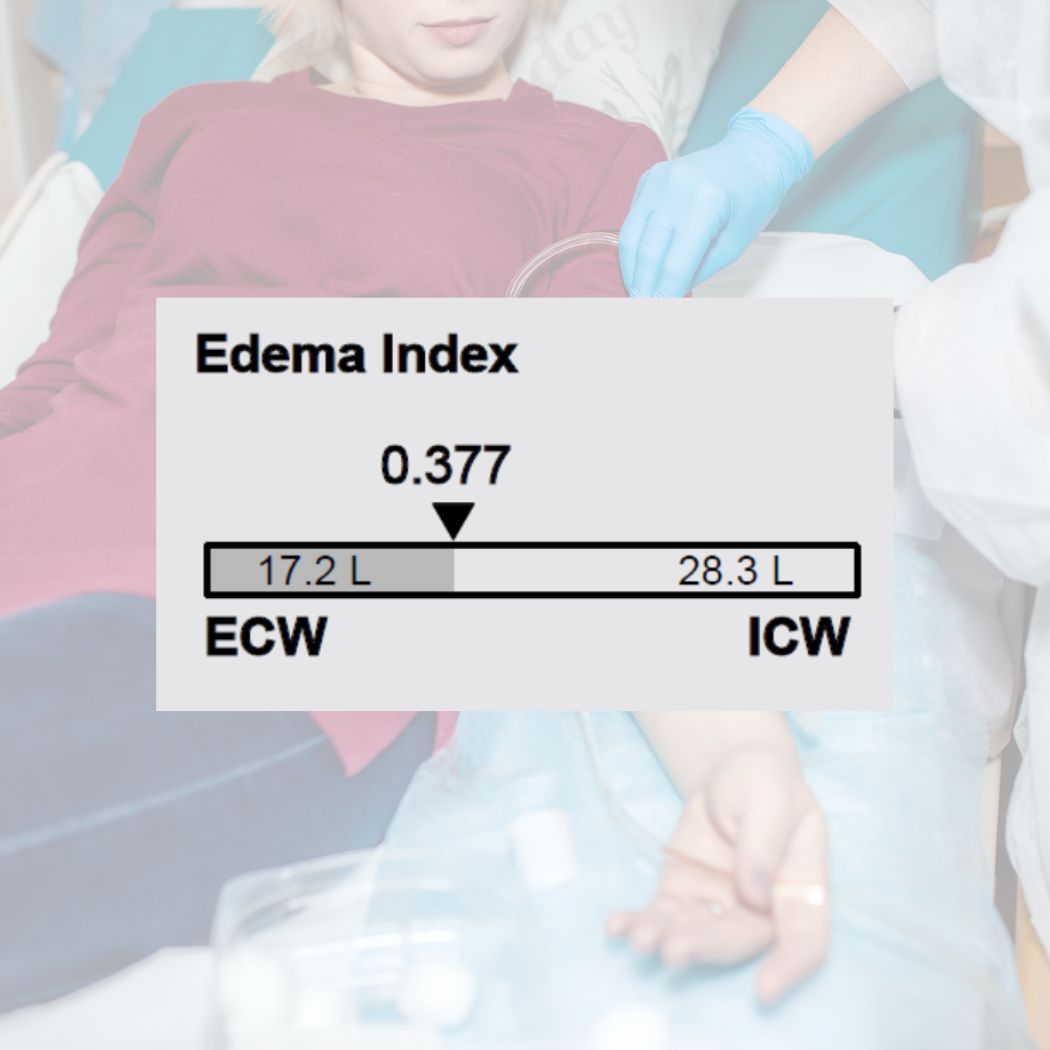
The most valuable insight Body Composition Analyzers provide for dialysis is the “Edema Index”. This metric is the ratio of Extracellular Water (ECW) to Intracellular Water (ICW), calculated by dividing ECW by Total Body Water (TBW).

Intracellular Water (ICW): The water contained inside your body's cells. This is healthy, functional water.
Extracellular Water (ECW): The water outside your cells. This is where fluid buildup, or edema, generally occurs.
In a healthy body, the Edema Index is generally stable between 0.36-0.39. But for dialysis patients, the Edema Index typically exceeds 0.39, which is an important indicator of fluid overload, even if the scale doesn't show a significant weight increase.
How to use the Edema Index in dialysis care
This one metric provides powerful, actionable information for both doctors and patients, helping doctors accurately determine the patient's "dry weight" - the ideal weight at which all excess fluid has been removed without becoming dehydrated. This precision allows practitioners to fine-tune dialysis prescriptions and prevent dangerous fluid overload or dehydration, transforming a guessing “close enough” situation into a more targeted, scientific process.
The bigger picture
While fluid management is a primary concern, Body Composition Analysis offers other crucial insights for dialysis patients. The scan also measures muscle mass and body fat (functions may vary depending on the brand)! Regularly monitoring these numbers helps to:
Prevent Muscle Loss: Dialysis can lead to muscle deterioration and sarcopenia. Tracking muscle mass allows patients and doctors to proactively adjust diet and exercise to maintain strength and quality of life.
Monitor Nutrition: Changes in body fat and muscle mass provide a comprehensive view of overall nutritional status, in more detail than weight could.
Ultimately, going beyond the scale and using Body Composition Analysis gives everyone involved a more complete and accurate picture. It turns a single, often misleading number into a powerful, multi-faceted tool for better health management.
If your clinic is looking to upgrade to a Body Composition Analyzer, please feel free to contact Charder with any questions you may have!