Functional Fitness: Training the Body for Real-World Strength
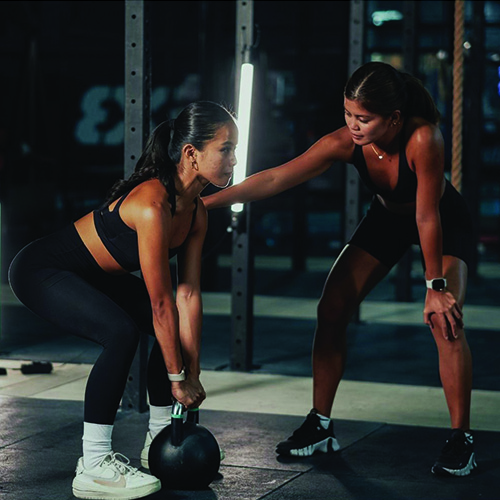
We often focus on visible signs of fitness like sculpted arms or defined legs, but true, lasting strength lies in “functional fitness”, which focuses on training the body to excel at everyday movements like lifting, bending, reaching, and maintaining good posture. In a sense, it’s about building “unseen muscle” that works behind the scenes to improve daily movement, boost longevity, and significantly reduce risk of injury.
Functional fitness can include a wide variety of movements and exercises, but among them core muscle training is of particular importance!
Why Core Muscle is the functional foundation
Core Muscle isn’t just about a well-defined sixpack; the core is a complex group of muscles that wraps around the midsection, stabilizing the spine and pelvis for nearly every movement the body makes, from lifting a heavy box, twisting to reach a seatbelt, or simply walking upright.
A strong, balanced core is essential for:
- Stability and Balance: maintaining control during movement, which is critical for preventing falls and injuries
- Posture: supporting the spine, improving posture and alleviating common back pain caused by prolonged sitting
- Power Transfer: acting as a bridge, efficiently transferring force between the upper and lower body, making activities like throwing, jumping, or even standing up easier and more powerful.
Assessing strength and going beyond aesthetics
Traditionally, the core is assessed either visually (which is imprecise at best) or through simple performance tests. However, the true functional value of the core lies in the integrity and balance of its deeper muscle groups.
As such, modern preliminary assessment of Core Muscle Area has increasingly turned to body composition analysis to receive the area and size of key functional core muscles, including:

- Abdominal Muscles: The "front-line" muscles responsible for protecting internal organs and facilitating torso rotation and flexion.
- Psoas Major (PM): A deep, powerful hip flexor crucial for posture and lower back health.
- Erector Spinae (ES): The muscles running along the spine that are vital for extension, stability, and resisting excessive forward bending.
- Quadratus Lumborum (QL): A deep muscle of the lower back and side that contributes to lateral flexion (side bending) and stability in the lumbar spine.
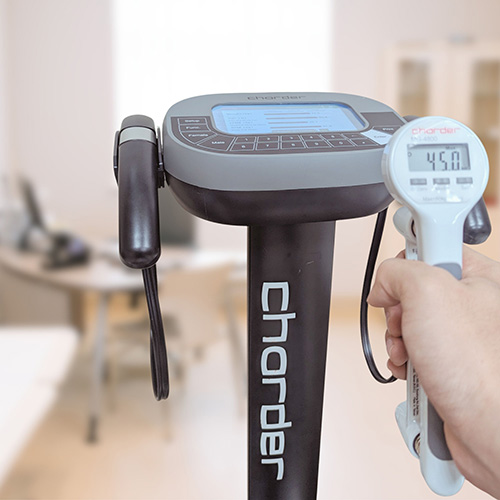
By providing quantitative data on these specific muscles, Charder's body composition analyzers help professionals and clients shift the focus from a subjective aesthetic goal to an objective, measurable metric.
Functional Training: actionable steps for a stronger core
To build a functional core, training should mimic real-life movements, integrating stability and mobility across different planes of motion. Forget endless crunches and focus on these movement patterns:
1. Anti-Extension (Resisting arching): Exercises like planks challenge the core to maintain a neutral spine, mirroring how the core keeps the body stable when walking or running.

2. Anti-Lateral Flexion (Resisting side bending): Movements like the Farmer's Carry force the core to stabilize against an uneven load, mimicking carrying heavy groceries or a suitcase.

3. Anti-Rotation (Resisting twisting): Exercises such as the Pallof Press train the core to prevent the spine from twisting, a critical function for injury prevention during rotational sports or quick changes in direction.

4. Integration: Compound movements like squats and deadlifts require the entire core to fire simultaneously to support the weight and stabilize posture, directly building the strength needed for lifting objects off the floor.

Summary
Moving beyond simple “ab exercises” and embracing a comprehensive, functional approach will help the body move and live better! Utilize functional training and objective Core Muscle assessment to build a resilient, powerful core foundation that will serve you throughout your life.