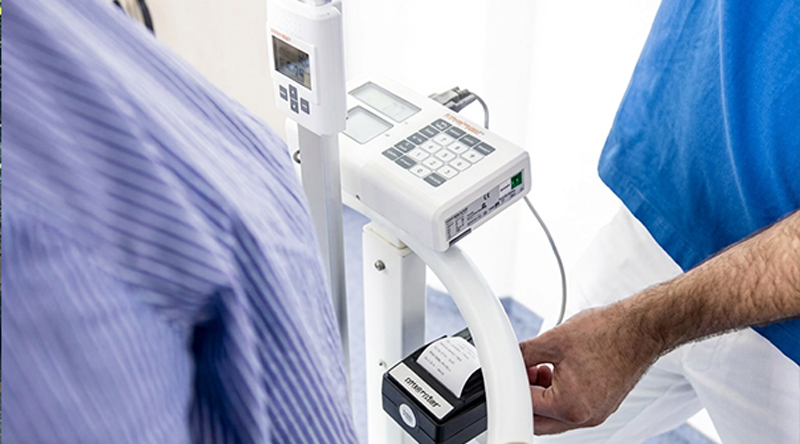




Rapid, unexplained weight loss is a primary sign of malnutrition, which drastically increases mortality rates in elderly and infirm patients.
Conversely, rapid weight gain often signals dangerous fluid retention or edema.
Specialized scales can be used to accommodate mobility-restricted for safe and accurate measurement, making operation easier for facilities
 Home
Home- Info
- Application Guide
- Long-Term Care
- Weight Monitoring
Weight Monitoring
“The course of nutritional problems within nursing homes is highly variable. Continued weight loss, however, appears to have ominous implications for mortality.”
- Sullivan et al, 2002
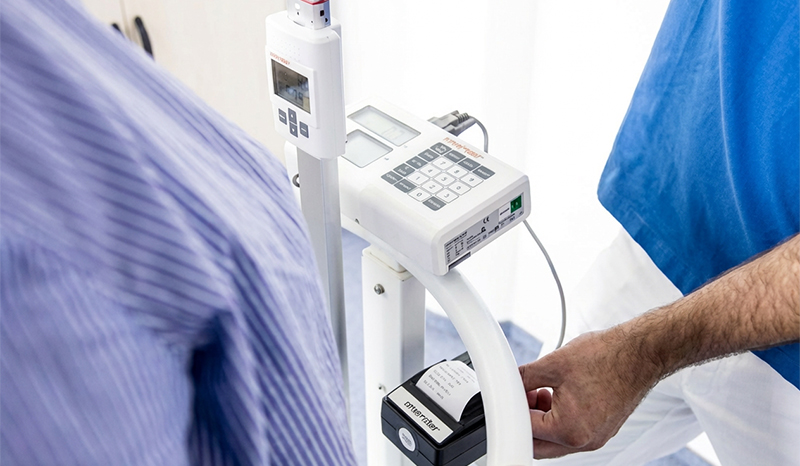
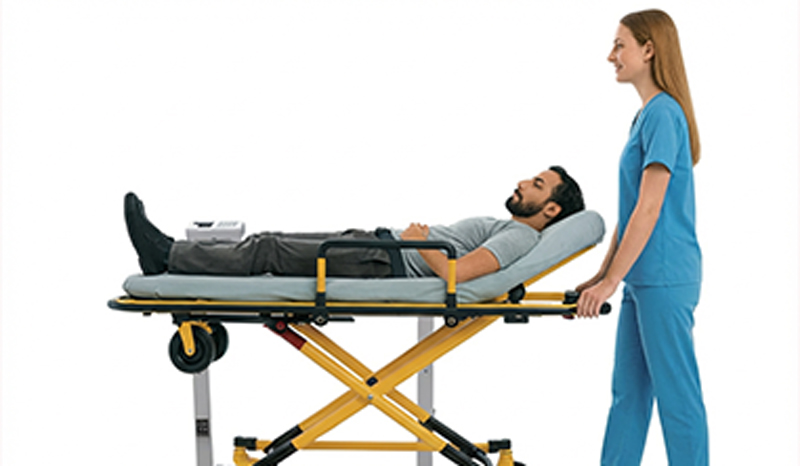


Patients who are bedridden
Bed Scales can be installed under a full-sized hospital bed; by pushing the bed onto the scale's measurement beams, the patient's weight can be measured without leaving the bed.
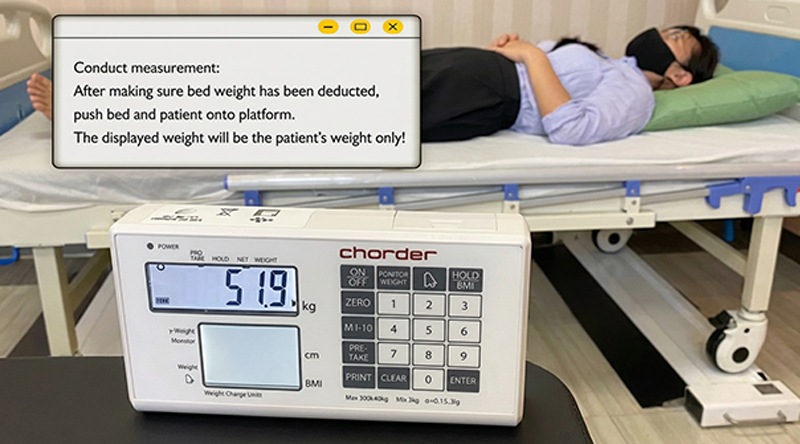
Alternatively
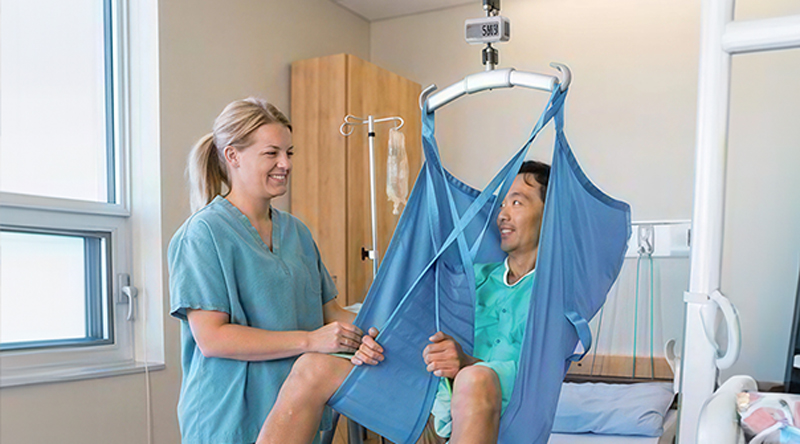
If facility utilizes lift systems / ceiling hoists, Lift Scale can be attached, measuring weight as part of lift / transfer process.

Patients in wheelchairs
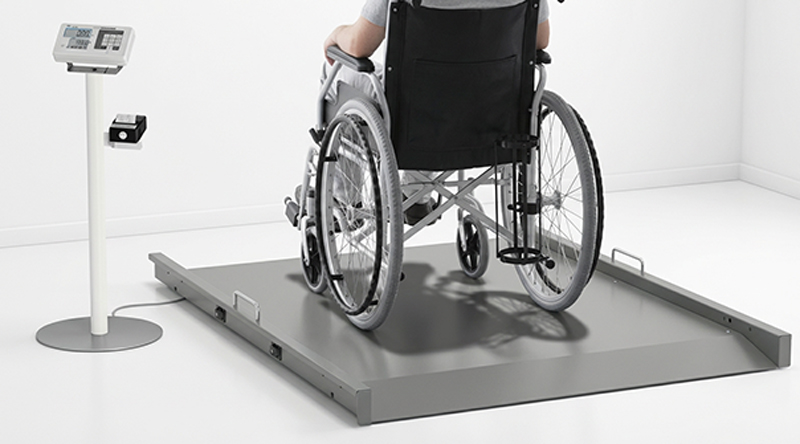
Wheelchairs can be pushed onto the large platforms and gentle slopes of wheelchair scales.

Patients who can sit up
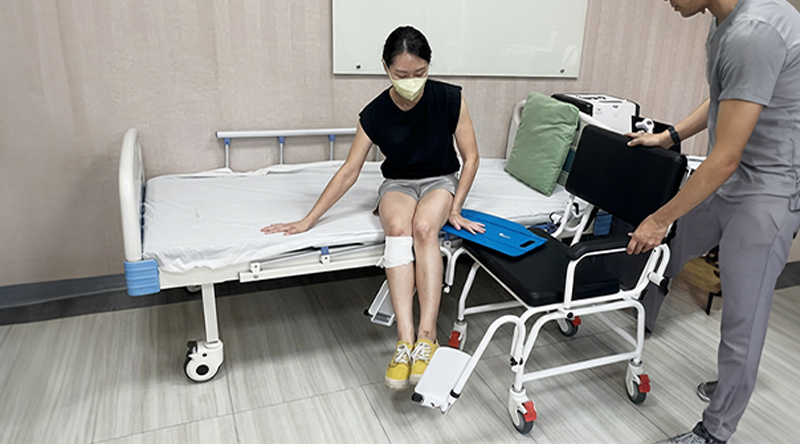
For patients that are unable to stand but are able to sit up in a chair, Chair Scales can be pushed to the patient's location and locked in position for safe and dignified weight measurement.
Alternatively
If conducting out-facility measurement (ex: home visits), lightweight folding version fits easily into vehicles


Patients who can stand for short periods of time
For patients who have the ability to stand but are unsteady and require support, Handrail Scales feature low and wide platforms for safer access, and a steady handrail that doesn't compromise the accuracy of weight measurement.