



 Home
Home- Info
- Application Guide
- Long-Term Care
- In-Depth Analysis
In-Depth Analysis
“Preventive strategies for musculoskeletal disorders require a better understanding of age-related changes in muscle strength, physical function and body composition (including bone) as well as how these changes interrelate; from a public health perspective, this knowledge could inform the development of interventions to delay adverse changes in musculoskeletal aging.”
- Westbury et al, 2020
In-Depth Analysis
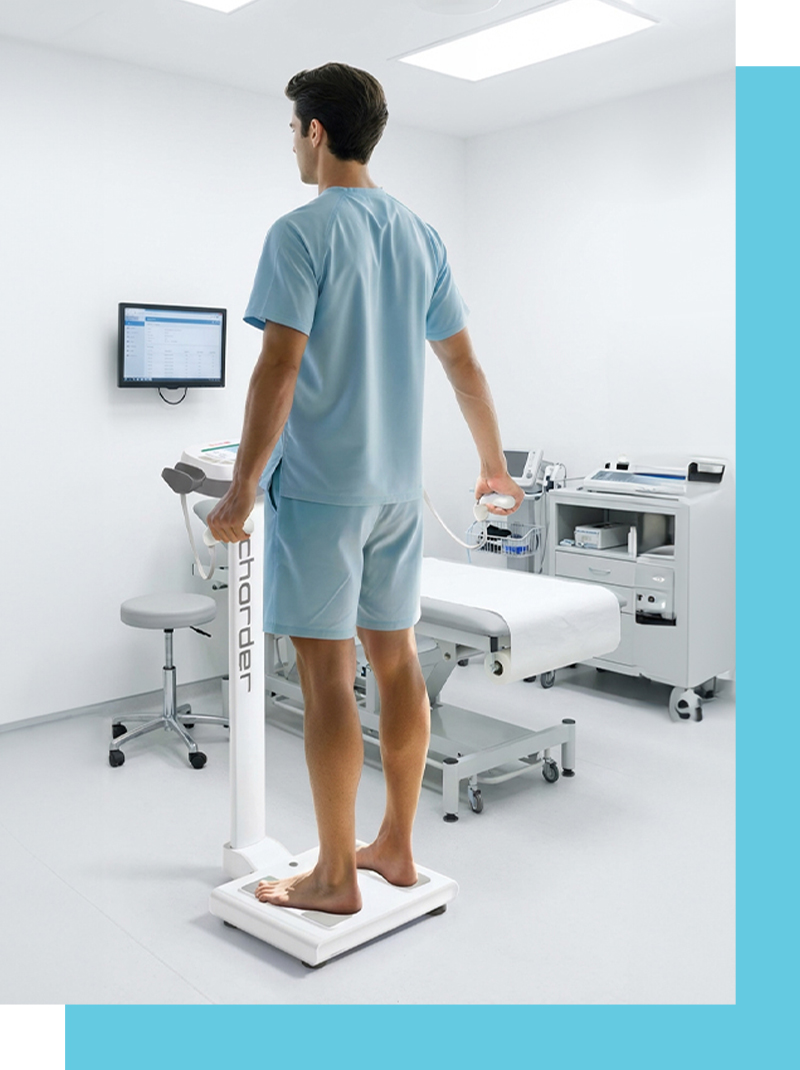
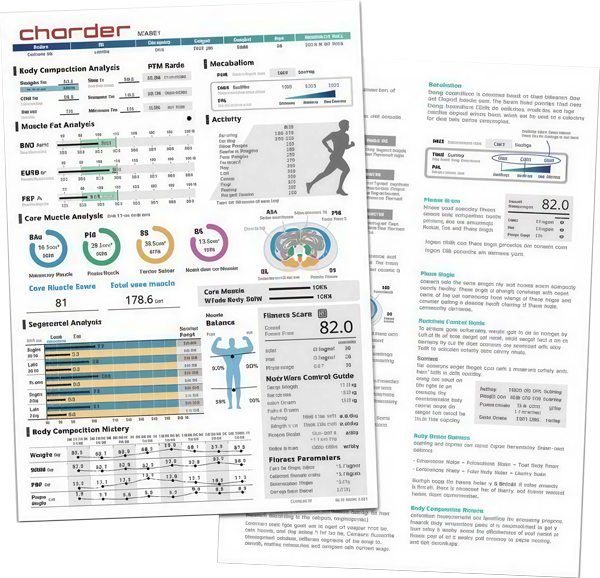
Body Composition Analyzers take the clinical utility of a scale and elevate it significantly, helping to identify age-related muscle loss, swelling, and thin fat issues that may not be identified through weight change alone.
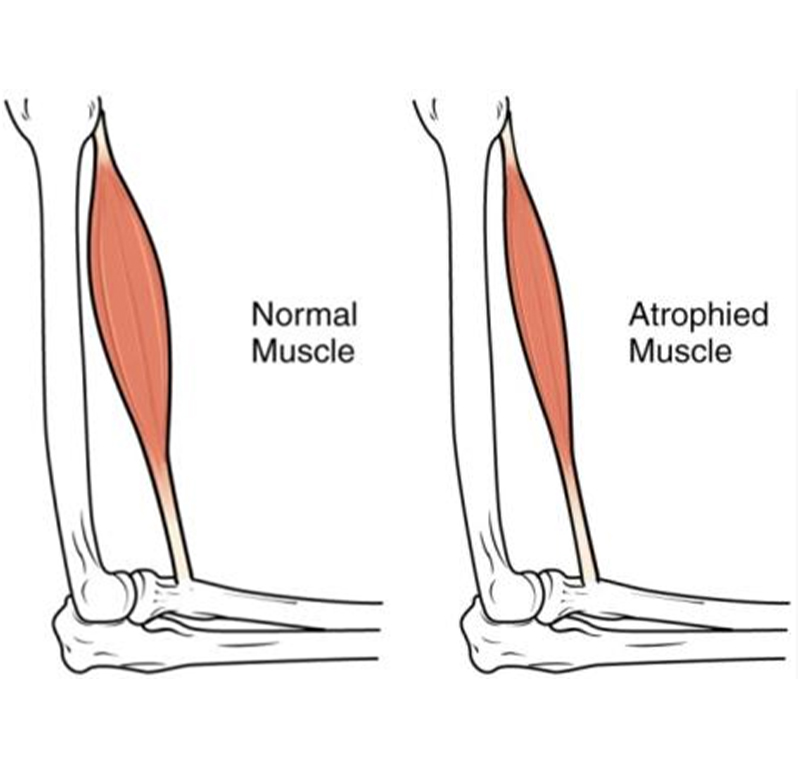
Sarcopenia
Evaluating risk of sarcopenia
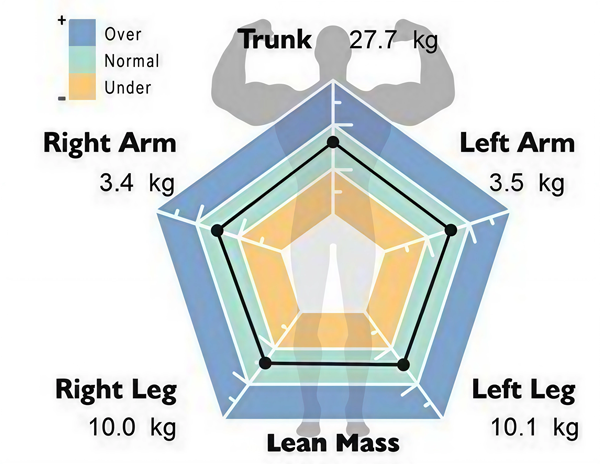
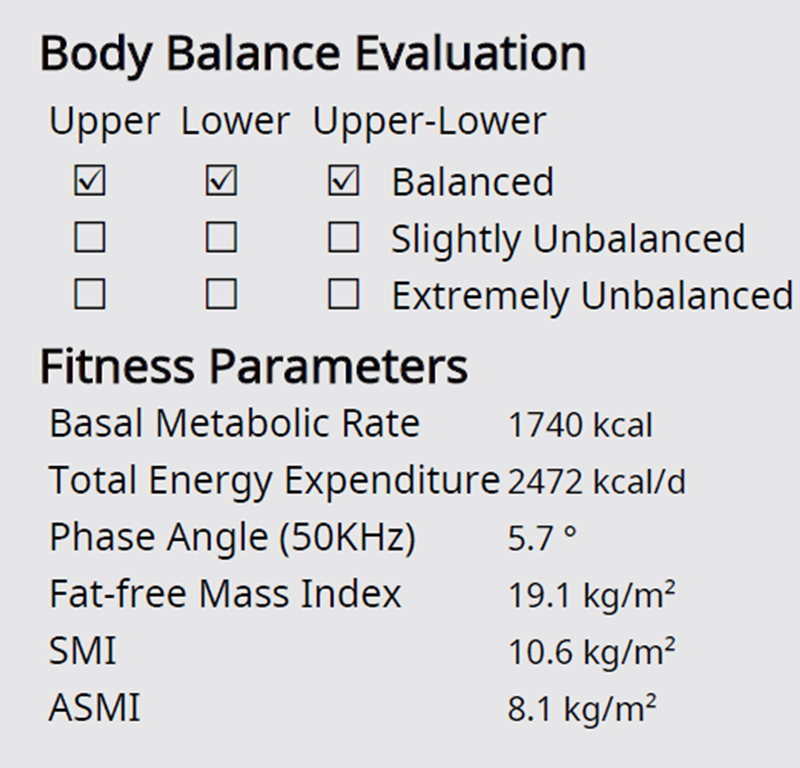
Progressive loss of muscle mass and strength is common in elderly populations, resulting in falls, frailty, and disability. The Skeletal Muscle Index available on Charder's Body Composition Analyzers is one of the key metrics used for diagnosing sarcopenia according to clinical guidelines.
Body Balance Evaluation
Charder provides both Skeletal Muscle Index
(SMI) and Appendicular Skeletal Muscle Index
(ASMI) results to use as needed
(SMI) and Appendicular Skeletal Muscle Index
(ASMI) results to use as needed
Edema
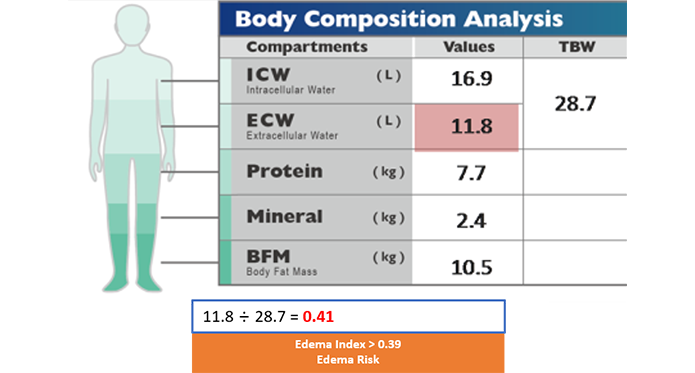
Fluid assessment
Swelling in the limbs and joints can cause stiffness, pain, and restricted range of motion, making recovery and therapy more difficult.
Measuring body water directly makes clear if weight gain is from muscle gain or increase in excess fluid, helping physicians monitor inflammation and fluid resolution over time, helping to validate interventions such as compression, massage, or diuretics.
Measuring body water directly makes clear if weight gain is from muscle gain or increase in excess fluid, helping physicians monitor inflammation and fluid resolution over time, helping to validate interventions such as compression, massage, or diuretics.


Targeted intervention
Understanding a resident's muscle / fat proportion helps dietitians tailor nutritional plans and exercise programs, shifting focus from mere weight change to muscle preservation.

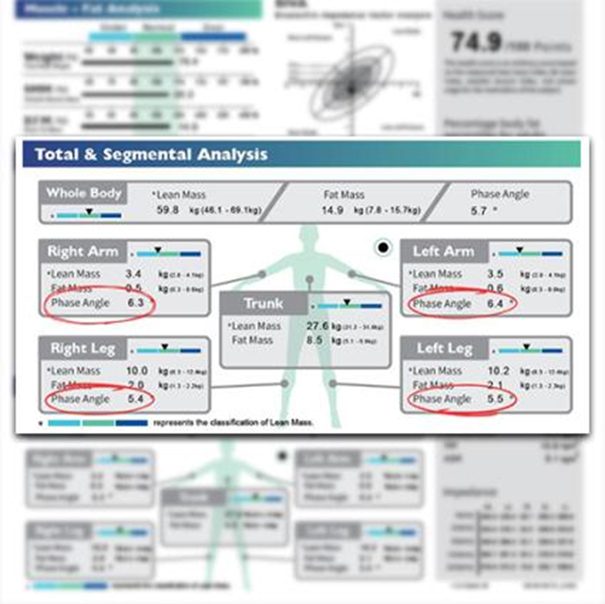
MA801 goes beyond muscle to provide Phase Angle cellular analysis for the arms and legs, highlighting potential issues that may not be discernible through muscle mass alone!