





 Home
HomeWhy standardization of medical scales is beneficial
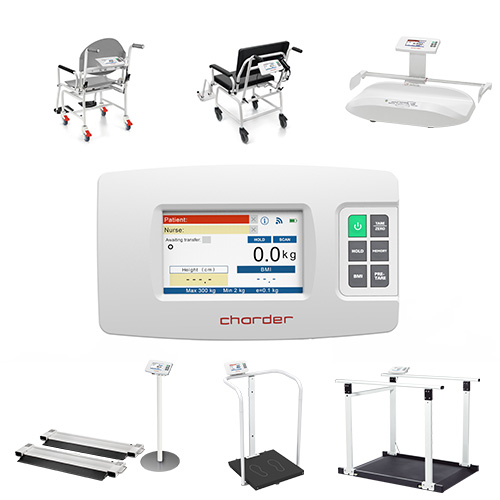
While there can be benefits to acquiring medical scales from various manufacturers, this method can also introduce complexities and hidden costs. Ultimately, facilities that are equipped with scales sharing the same User Interface benefit from consistent workflow and reduced user error.
1. Fewer Mistakes
The single most significant benefit of standardizing to the same indicator across all your scales - from Column Scales to Bed Scales and Chair Scales - is the consistent user experience.
- Faster Training: Staff only need to learn one way to operate the scale's various functions (ex: BMI calculation, data transfer). This drastically reduces training time for new hires and cross-training for existing staff.
- Reduced Error Rate: When a nurse moves from one department to another, they won't have to pause and recall the specific steps for a different model. The same button does the same thing, everywhere. This eliminates operational confusion, leading to more accurate and reliable measurements.
- Increased Confidence: Familiarity breeds confidence. When staff are confident in the equipment, they can focus entirely on patient care.
2. Simplified Maintenance and Calibration
Managing diverse equipment inventory means managing different procedures, parts, and vendor relationships. A single indicator simplifies operational maintenance after scales are purchased and put into service.
- Easier Maintenance: Technicians can become experts on one system, not five. Diagnostics, troubleshooting, and repairs are faster and more straightforward, reducing equipment downtime.
- Uniform Calibration: Calibration procedures are standardized. Internal teams or external vendors only need to follow one set of protocols, ensuring compliance and consistency across the facility.
3. Seamless Data Integration
In today's digital healthcare environment, connecting data is critical, and integration with EMR systems has become a necessity in many facilities. However, integrating a variety of brands (or brands that use their own proprietary cloud service) is an additional cost that can be eliminated by using the same brand that ideally can integrate directly into your system.
Summary
Moving to a single unified indicator system such as the Charder DP4800 series can significantly streamline operation, which helps drive down training costs, minimizes measurement errors, simplifies maintenance, and positions your facility for seamless data integration.
In healthcare, every second and every decimal point matters. Make sure your scales are contributing to, not detracting from, your facility's goal of providing the best possible patient care!