






 Home
Home
Blog
How to understand Charder ProScan Body Composition results

Blog
How to Avoid the Thin-Fat Body Type

Blog
Are Ultrasonic Height Stadiometers Accurate?

Blog
Why Is Calibration so Important?
Blog
How is accuracy defined?
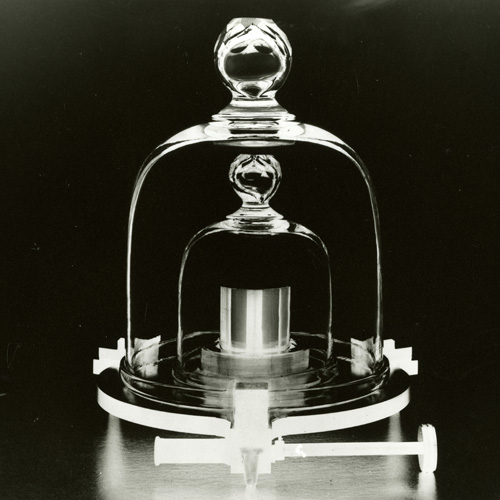
Back in the day, people in different countries used various different measurement units in daily life. This became a problem as trading grew more and more common across borders!

Blog
How to utilize body composition for evaluating muscle mass and effectiveness
Body composition analysis is a key tool for understanding a subject's muscle level! Understanding how much effective strength a person has makes it possible to provide a better level of care, and guide treatment more effectively.

Blog
Can Plant-based Diets Improve Body Composition?
Plant-based (vegetarian or vegan) diets have grown in prominence in recent years both among the general population and professional athletes as well. People may avoid meat products for environmental reasons, ethical concerns, and health benefits as well. Can adopting this kind of diet partially or in full actually improve your health and body composition?

Blog
How often should you measure your body?
You've got access to a professional measurement device that can give you validated, accurate results. If you're tracking progress, you might be tempted to measure yourself every day - but this isn't really necessary!

Blog
How Pediatricians can utilize Body Composition
The Charder MA601 and MA801 Body Composition Analyzers can output a specialized child result sheet to provide pediatricians with a comprehensive growth evaluation from childhood to adolescence, going beyond traditional measurements like weight and height.

Blog
Why age is so important in body composition testing
Charder's proven algorithms for analyzing and calculating body composition results utilize a mix of measured and input data. Measured data includes weight and electrical impedance-related measurements, including impedance, reactance, resistance, and phase angle. Input data includes height, gender, and age.
All of these are important for helping algorithms determine body composition, but today we'll be focusing on age, and why we take it into consideration during analysis!
All of these are important for helping algorithms determine body composition, but today we'll be focusing on age, and why we take it into consideration during analysis!
Blog
What affects the accuracy of a weight measurement?
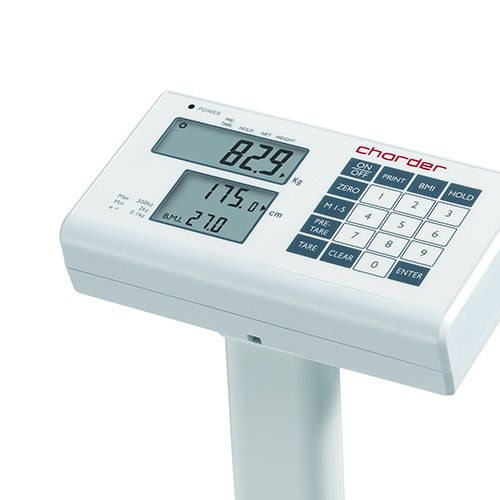
Charder's scales are calibrated and certified according to medical standards prior to shipment. However, all scales can be affected by external factors that may have an influence on accuracy! Today, we'll introduce various factors that can affect accuracy, and give you some pointers on how to avoid them, so practitioners can receive the most consistent results.

Blog
How Nutritionists can utilize Body Composition
Formulating an achievable nutritional dietary plan is highly dependent on the client's starting point and goals. Body Composition is an important evaluation tool that provides increased precision over traditional methods like Body Mass Index, and nutritionists can utilize Charder's Body Composition Analyzers as important tools for tracking progress throughout a nutritional program, using results such as whole-body and segmental muscle and fat, metabolism, and cellular health.